Detroit Civic Platform
Multi-Channel Public Information System
The Problem
Detroit had made historic progress recovering from municipal bankruptcy—but that progress wasn't documented in any cohesive way. Information lived across departments, formats, and internal teams.
The city needed a public-facing platform that:
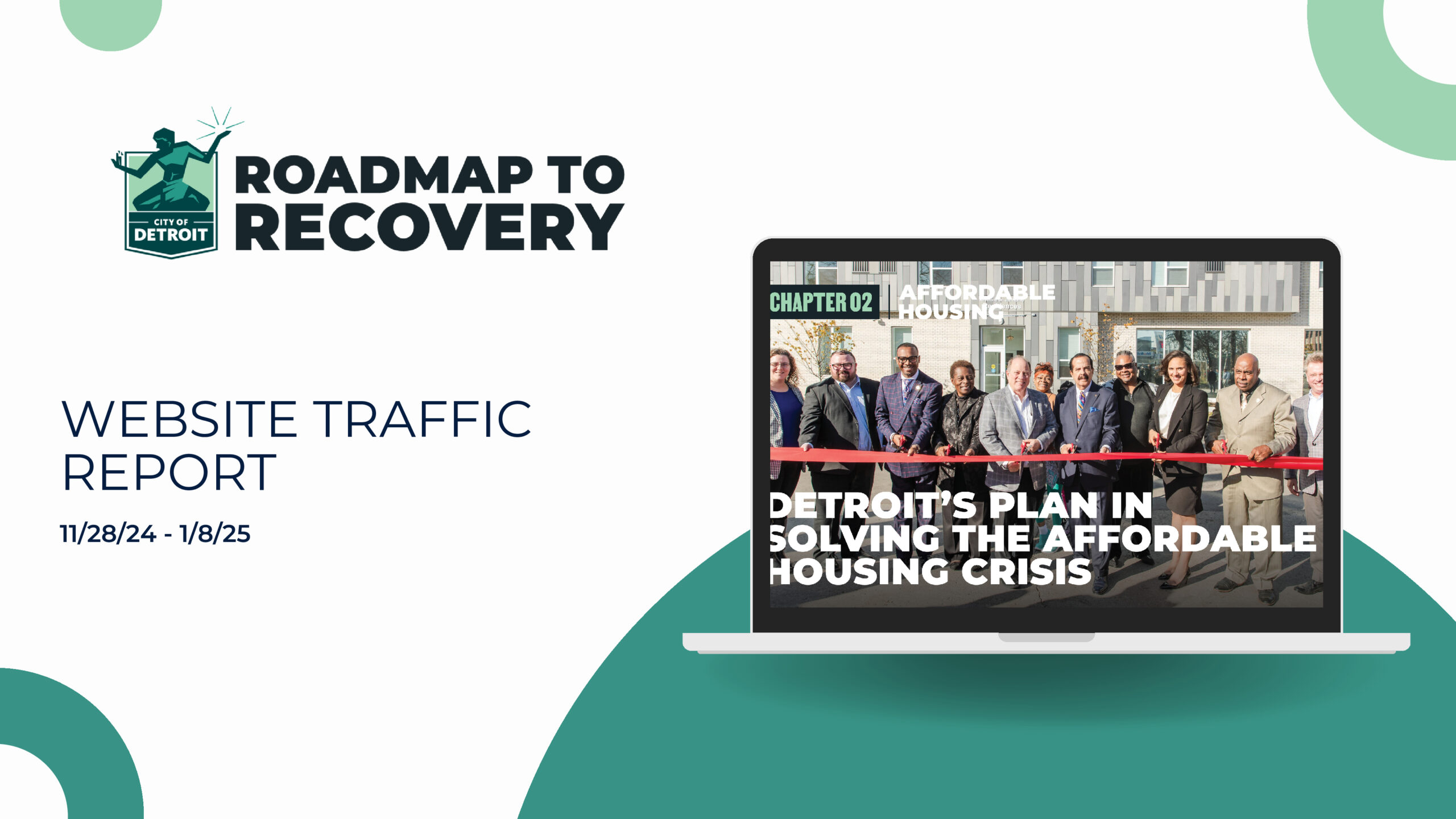
- Documented recovery efforts across infrastructure, public safety, housing, and economic development
- Met strict accessibility and compliance requirements
- Served as a model other municipalities could learn from
I was hired as a front-end developer. Within weeks, I became the de facto UX and web lead—the only team member with product and web experience.
Constraints
- City accessibility standards and compliance requirements
- Political sensitivity requiring neutrality and accuracy
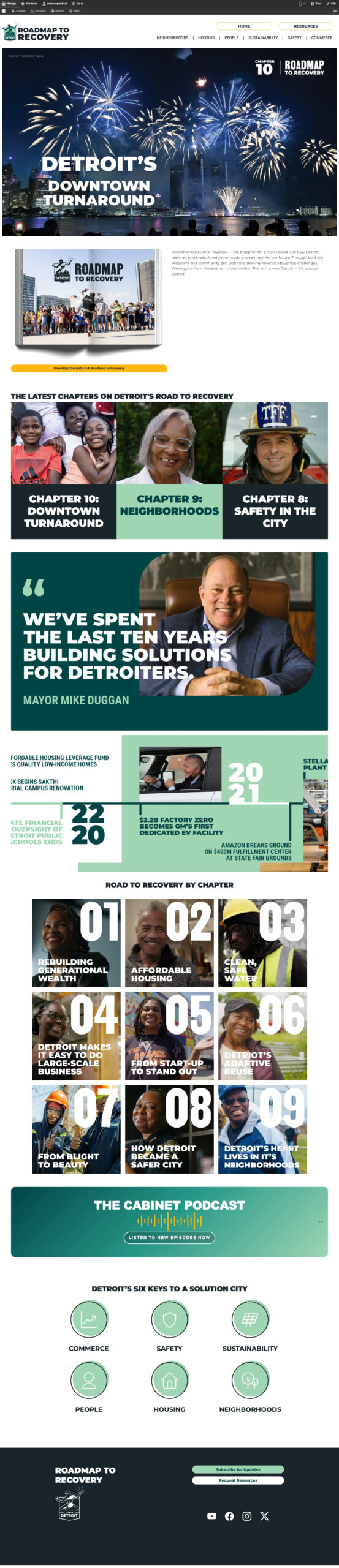
- Content spanning long-form reports, podcasts, videos, blogs, and landing pages
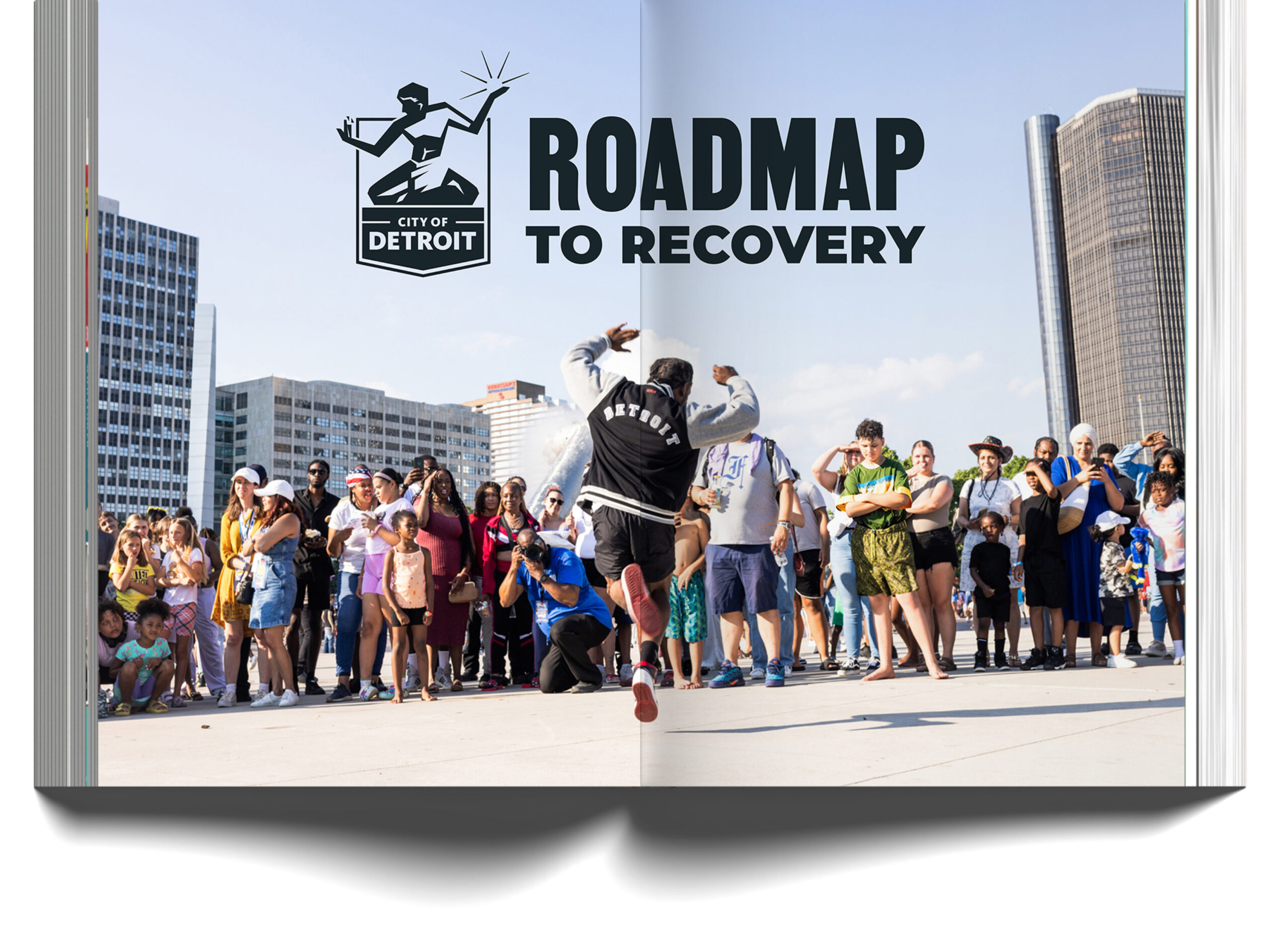
- Parallel production of a 112-page print publication (500+ copies distributed)
- Limited web expertise across the broader marketing team
My Role
I led end-to-end feature development: discovery, wireframes, high-fidelity design, accessibility audits, front-end implementation, analytics, and cross-functional coordination. I also hosted and produced a podcast interviewing executive leadership, managed vendor relationships, and created documentation to support long-term maintenance.
Platform Gallery

The Solution
I designed the platform as a modular civic content system—not a single campaign site.
Scalable architecture: Templates for blogs, videos, podcasts, and landing pages that could be extended without redesign.
Accessibility-first: Manual and automated audits throughout development, not post-launch.
Consistent cross-channel output: Digital platform and 112-page print book shared the same content structure.
Clear governance: Documentation and training enabled the broader team to maintain quality after I moved on.
The Outcome
- Centralized Detroit's recovery narrative into a single, accessible system.
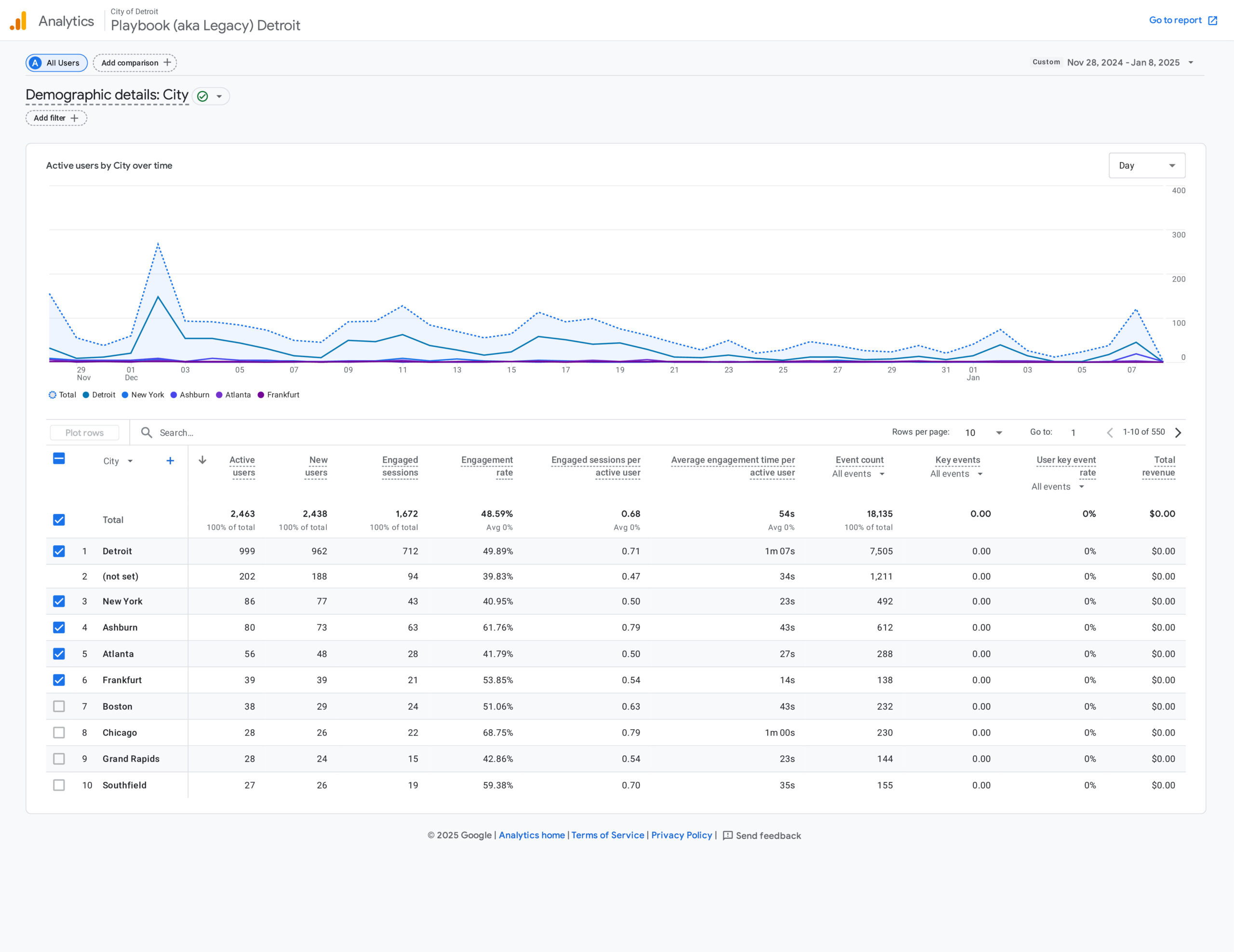
- Platform served residents, policymakers, and external audiences studying Detroit's model.
- Balanced marketing objectives with civic responsibility and compliance.
- Created a durable reference that outlasted any single initiative.
What This Shows:
Civic design requires restraint, clarity, and accountability. I stepped into a leadership gap, aligned competing stakeholders, and delivered a system that served the public—not just the campaign.